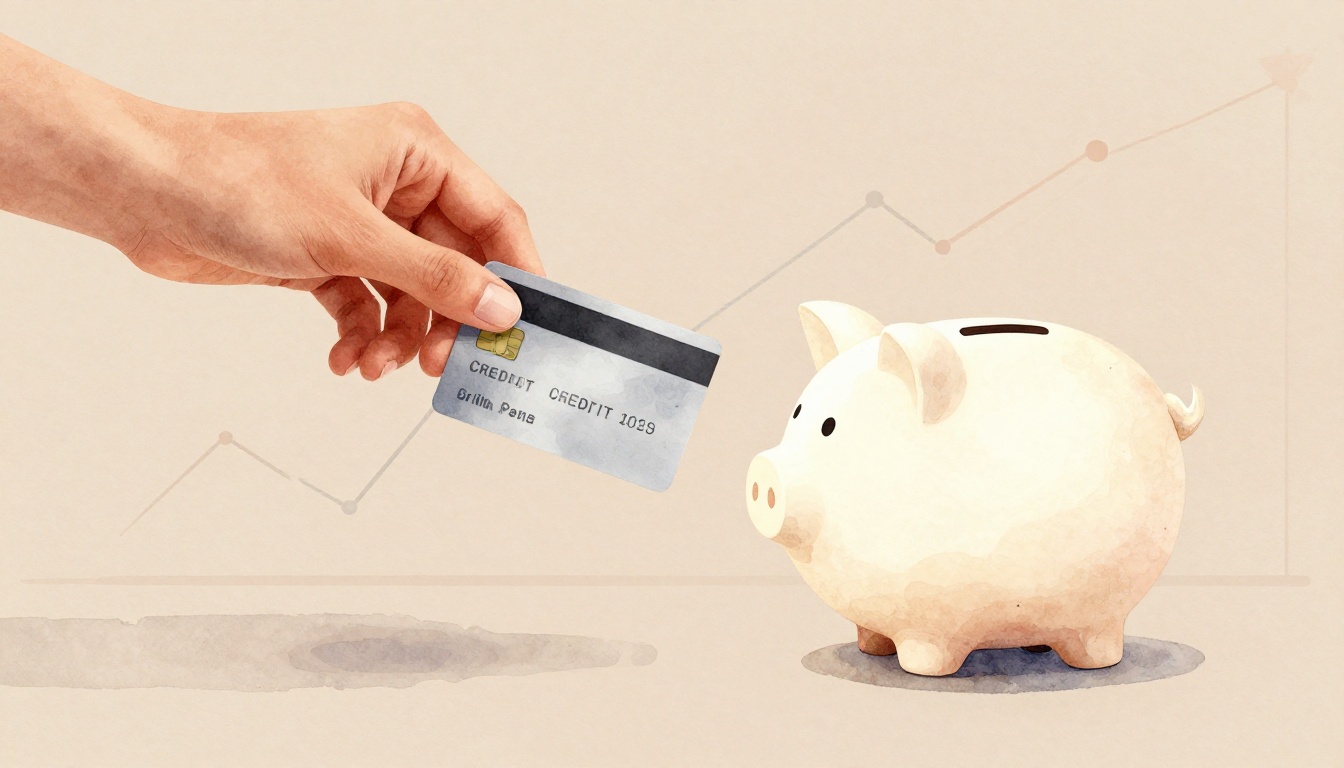
It’s easy to slide into debt when swiping a card feels as normal as buying milk. In the US, that risk is hard to ignore right now. As of March 2026, household debt reached $18.8 trillion, and credit card balances hit $1.28 trillion.
That doesn’t mean you’ve done anything wrong if money feels tighter than it used to. Prices are higher, interest costs more, and a few small mistakes can snowball fast.
The good news is that avoiding debt usually starts with simple habits, not perfect math. Once you spot the patterns, you can cut them off early.
Know the habits that lead to debt before they become a problem
Most debt doesn’t begin with one huge decision. It starts with a gap. You spend a little more than you earn, cover it with a card, and promise yourself next month will be different. Then an annual bill shows up, or the car needs work, and the balance grows again.
A few habits cause this over and over. Common triggers include living too close to your limit, financing several big purchases at once, and failing to plan for uneven expenses. Some people also treat minimum payments like a solution, when they’re often only a delay. If you want a quick outside look at patterns that cause trouble, these spending habits that lead to debt line up with what many households deal with.
The small money leaks that quietly wreck a budget
The dangerous stuff often looks harmless. A few takeout meals, a streaming service you forgot about, two impulse orders, and a buy now, pay later split payment can eat through your margin.
Then lifestyle creep sneaks in. You get a raise, so your spending rises with it. Soon your new normal costs more, but your safety cushion stays thin.
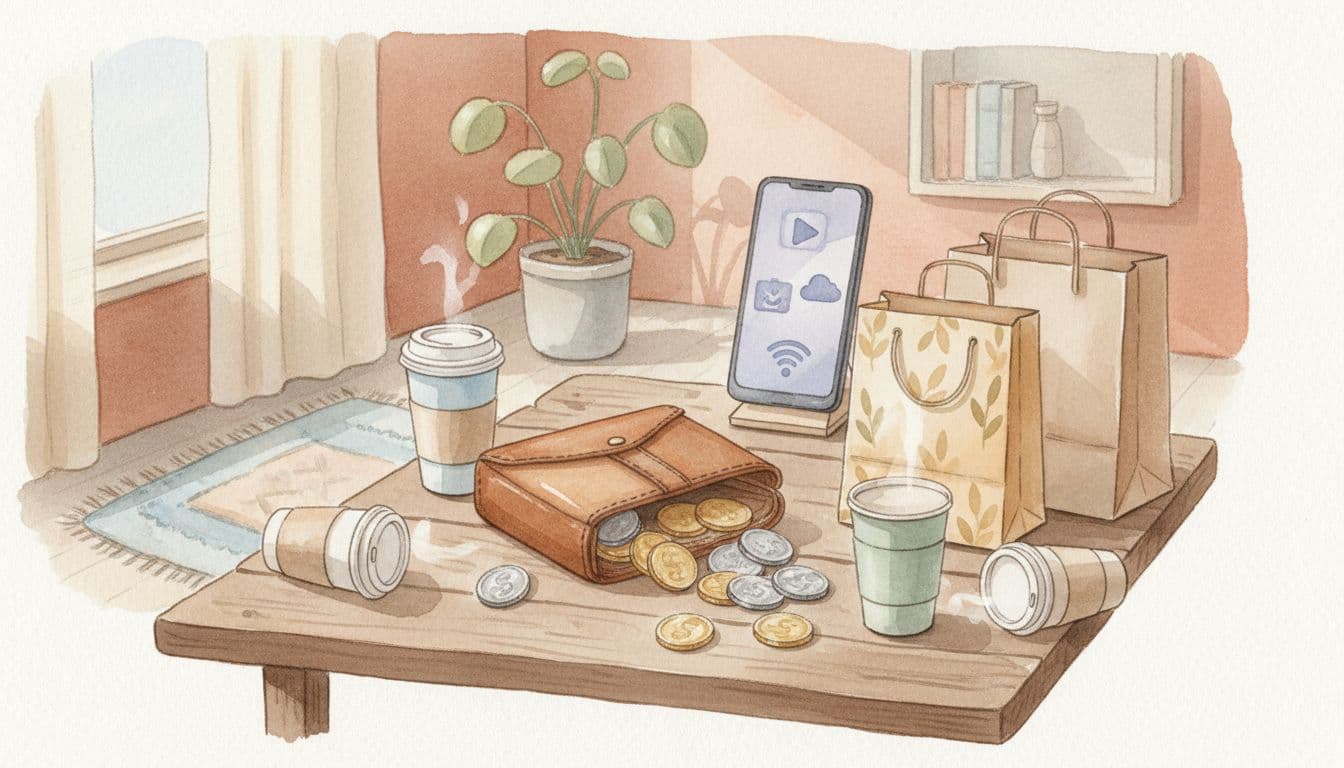
Small leaks work like a slow drip under the sink. You may not notice the damage until the floor buckles. That’s why tracking repeat purchases matters more than obsessing over one big splurge.
Why high prices and high interest rates make debt easier to fall into
Higher prices stretch every budget. Groceries, insurance, rent, and utilities can rise even when your paycheck doesn’t. As a result, expenses that once fit now spill over.
At the same time, borrowing costs more. Credit cards have stayed around the low 20 percent range, so carrying a balance gets expensive fast. Car loans and other financing also feel heavier when rates are high. In plain terms, debt is easier to enter and harder to escape.
Debt often starts before the first late payment. It starts when your monthly costs leave no room to breathe.
Build a budget that keeps you out of debt
A budget isn’t a punishment. It’s a plan that tells your money where to go before it disappears. When every dollar has a job, overspending gets harder.
The simplest version starts with take-home pay. Then subtract fixed bills, savings, and flexible spending. If the numbers don’t fit, the answer isn’t hope. It’s trimming something before the month begins. For a practical framework, this guide to creating a budget plan explains the basics in a clear way.
Start with your real monthly income and must-pay bills
Use normal income, not overtime you might get or a bonus you wish for. Begin with rent or mortgage, utilities, groceries, insurance, transportation, and any minimum required payments.
That order matters because it protects the essentials first. If you budget backward, fun spending fills the space and important bills get squeezed.
Set spending limits for the categories that usually get out of hand
Most people already know their weak spots. Dining out, shopping, entertainment, and online orders tend to drift upward because they feel small in the moment.
Set a weekly cap for each one. You can use cash envelopes, a separate debit card, or app alerts. Weekly limits work better than monthly ones for many people because they catch problems early, before the damage spreads.
Create a cash buffer so surprises do not turn into debt
Unexpected costs trigger a lot of debt. It’s not always careless spending. Sometimes life simply lands on your doorstep with a bill in hand.
That’s why an emergency fund matters. Even a small buffer can keep one bad week from turning into months of credit card payments. Many personal finance experts suggest building toward three to six months of essential expenses. Fidelity’s emergency fund guidance also recommends starting with a first target of $1,000, which is a solid goal if money is tight.
How much to save first, even if money is tight
Start small and make it automatic. A first goal of $500 or $1,000 can cover many common shocks, like a tire, co-pay, or urgent travel.
After that, build slowly. A full emergency fund takes time, and that’s fine. Progress matters more than speed.
Plan ahead for non-monthly bills and seasonal expenses
Some costs aren’t emergencies at all. They’re predictable, but easy to forget. Think car repairs, school supplies, holidays, annual fees, and medical costs.
This is where sinking funds help. That simply means saving a little each month for future bills. If you set aside money all year for gifts or car work, those costs won’t have to land on a credit card later.
Use credit carefully so it helps, not hurts
Credit isn’t bad by itself. Trouble starts when it becomes a way to afford a life your budget can’t carry.
Use borrowing on purpose, not on autopilot. If a new payment doesn’t fit comfortably now, it probably won’t feel better later.
The safest way to use a credit card
The safest rule is simple: charge only what’s already in your budget, then pay the full statement balance every month. Your credit limit is not extra income.
That rule matters even more now because unpaid balances remain high across the country. This household credit card debt study shows how normal card debt has started to feel for many Americans. Normal doesn’t mean safe.
Questions to ask before taking on any new loan or payment plan
Pause before saying yes to any monthly payment. Ask yourself if it’s a need or a want. Check the interest rate, the total payback amount, and whether the payment still works if your income drops.
That applies to buy now, pay later plans and zero percent offers too. They can be useful, but they still reduce your future cash flow. Too many “easy” payments at once can crowd out the basics.
Make everyday money choices that lower your risk of debt
The big goal is simple: live on less than you make, leave room for savings, and review your money often. That lowers the odds that debt can take root.
Pause before big purchases and give yourself time to decide
Use a 24-hour rule for small nonessential buys and a 72-hour rule for bigger ones. Time cools off impulse. It also helps you tell the difference between “I want it” and “I need it.”
Review your money each week so problems stay small
A weekly money check-in can take 10 minutes. Review account balances, recent spending, upcoming bills, and savings progress.
That habit works like catching smoke before a fire starts. Small problems stay fixable when you see them early.
Staying out of debt is usually about steady choices, not perfection. Know where your money goes, follow a simple budget, keep a cash buffer, and use credit with care.
Start with one habit today, not all of them at once. A single weekly check-in or a small emergency fund deposit can change the direction of your finances.