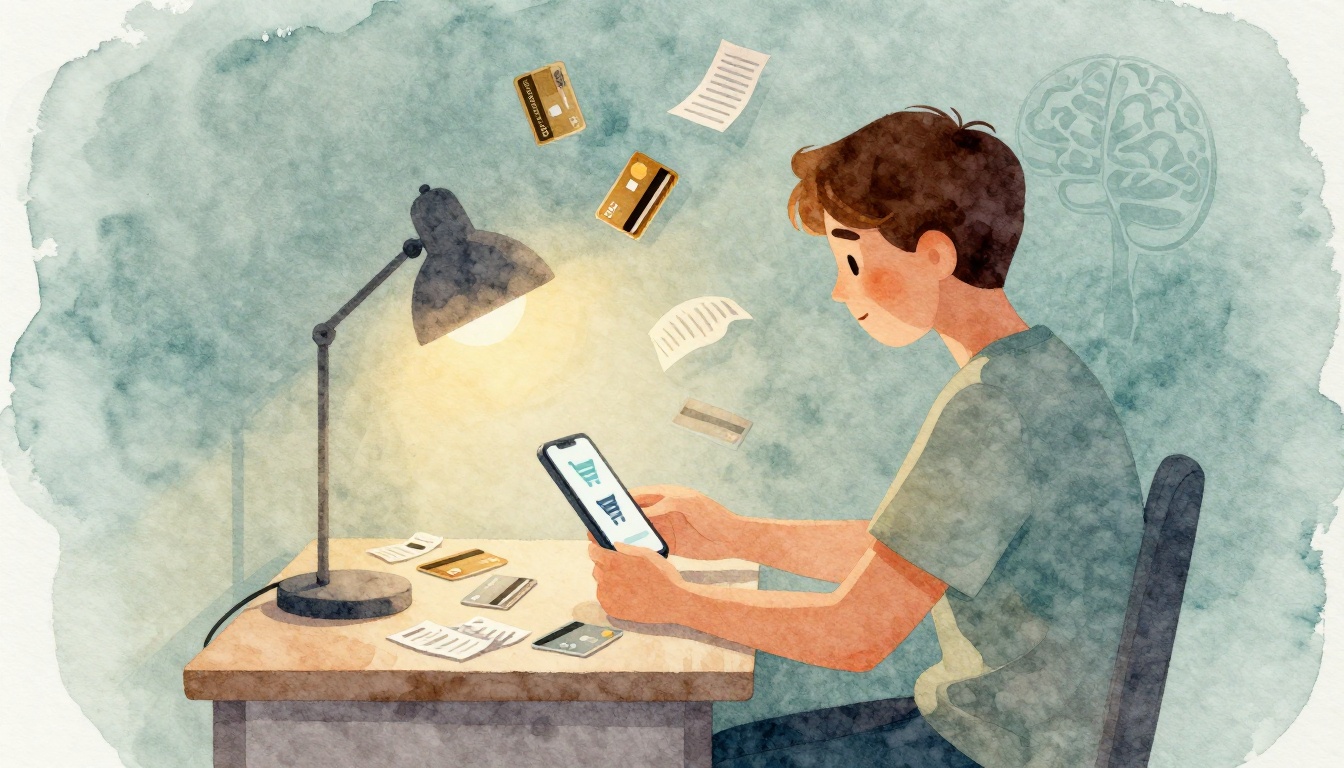
If you keep asking, “Why do I overspend?”, the answer usually isn’t “because you’re bad with money.” Most overspending comes from triggers, habits, and systems that make buying feel easy.
You’re not the only one dealing with it. Impulse buying, emotional spending, convenience apps, and social pressure all nudge people to spend more than they planned. Meanwhile, US credit card debt has climbed to about $1.28 trillion, which shows how common this struggle has become.
The good news is that overspending can change fast once you see what’s driving it.
The real reasons you overspend are usually deeper than money math
Plenty of people know the basic rule: spend less than you earn. Yet that rule doesn’t help much when stress hits at 10 p.m. and your phone is one tap away from checkout.
Overspending often starts in the brain, not in a spreadsheet. Mood, routine, fatigue, and convenience all matter. If your daily setup makes spending easy, willpower has to work overtime.
Overspending usually starts with a trigger, not a calculator.
Emotions can push you to buy things you do not really need
Stress spending is real. So is boredom spending, sad spending, and reward spending. You have a hard day, and suddenly a package on the way feels like relief.
That relief is short-lived, though. A new shirt, gadget, or takeout order can feel like comfort in the moment. Later, it often turns into guilt, clutter, or another card balance.
The pattern sounds familiar because it’s common. As explained in this look at the psychology of overspending, spending habits are often tied to emotion and identity, not logic alone. That’s why “I deserve this” can be such an expensive sentence.

Easy shopping tools make spending feel small and harmless
One-click checkout removes the pause that used to protect your wallet. Stored cards, shopping apps, food delivery, and buy now, pay later all shrink the feeling of spending.
A $14 meal delivery doesn’t seem huge. Neither does a $9 subscription or a $27 “treat.” But small charges stack up quietly. Then you open your statement and wonder where half your paycheck went.
Auto-renewing subscriptions make this worse because they turn old decisions into ongoing spending. You may not choose them each month, but you still pay for them each month.
Social media can make overspending feel normal
It’s hard to feel content when your feed is full of hauls, vacations, skin care routines, home upgrades, and “must-have” gadgets. Social media doesn’t simply show products. It makes them feel tied to status, taste, or belonging.
Targeted ads learn fast. After one search, you start seeing the same item everywhere. Then the product feels familiar, and familiar feels safe.
Over time, lifestyle creep slips in. You earn a bit more, so your spending rises too. Better coffee, better clothes, better trips, better tech. None of it looks wild on its own. Together, it can eat the raise you hoped would help.
How to tell if you have an overspending problem
Overspending doesn’t always look dramatic. Sometimes it looks like normal life, only slightly more expensive every month.
The clearest sign is that your spending keeps working against your goals. If you want savings, peace of mind, or lower debt, but your money keeps disappearing, pay attention.
Common signs your spending is out of control
Here are a few warning signs that deserve an honest look:
- You buy before you think, then explain the purchase afterward.
- You hide purchases from a partner, family member, or even from yourself.
- You live paycheck to paycheck even when your income should stretch further.
- You carry credit card balances and rarely pay them off in full.
- You dip into savings for routine spending.
- You feel guilt or dread after shopping.
These patterns don’t mean you’ve failed. They mean your current system isn’t working. Experian’s overview of spending problem signs lines up with this idea: the issue becomes serious when spending blocks bills, goals, or stability.
A quick spending check can show you where your money really goes
Look at the last 30 to 90 days of bank and card statements. Don’t judge yourself. Study the pattern.
Mark purchases that fall into a few simple buckets: food delivery, impulse buys, unused subscriptions, convenience spending, and repeat little treats. Those small items often tell the real story.
You may find that the problem isn’t one giant mistake. It’s twenty tiny ones, repeated every week.

How to stop overspending without making your life miserable
You do not need a punishment budget. You need a setup that makes better choices easier.
Big, strict plans often fail because they ask for perfection. A simpler plan works better because it fits real life.
Start by tracking your spending for one week
Awareness comes before change. For one week, write down every purchase in a notebook, your notes app, or a budgeting app.
Then label each expense as need, want, or impulse. That single habit can change how you spend because it forces a pause. Most people underestimate how often they buy from habit, not intention.
This step isn’t forever. It’s a short audit, like turning on the lights in a messy room.
Use a waiting rule before you buy
A waiting rule puts space between the urge and the choice. Try 24 hours for small wants, 48 hours for medium purchases, and seven days for anything expensive.
That pause helps you separate desire from need. It also weakens the power of sales countdowns, influencer hype, and bad-day shopping.
If you still want the item later, you can buy it with more confidence. If the urge fades, you just saved money without feeling deprived.
Make it harder to spend and easier to save
This part matters more than motivation. Change the system around you.
Delete saved cards from shopping sites. Unsubscribe from store emails and texts. Remove shopping apps from your phone. If one category causes trouble, use cash or debit there for a month.
At the same time, make saving automatic. Set a transfer to savings on payday, even if it’s small. Money that leaves first is harder to spend later.
Pick a simple budget you can actually stick with
You don’t need the perfect method. You need one method you’ll keep using.
This quick comparison makes the choice easier:
| Budget style | How it works | Best for |
|---|---|---|
| 50/30/20 | Split income into needs, wants, and savings/debt | People who want simple guardrails |
| Reverse budgeting | Save first, then spend the rest | People who hate tracking many categories |
| Zero-based budget | Give every dollar a job each month | People who want tight control |
If you want an easy starting point, this explanation of the 50/30/20 budget rule breaks it down in plain language.
The main takeaway is simple: pick one system and stay with it for a month before changing it.

What to do when overspending is tied to stress, debt, or deeper habits
Sometimes overspending isn’t solved by a tighter budget. If spending is your go-to response to stress, loneliness, or burnout, you need a replacement, not only a restriction.
That shift matters because habits don’t vanish on command. They get swapped out.
Replace the spending habit with a different kind of reward
If shopping gives you a break, build another kind of break. Go for a walk. Call a friend. Make coffee at home in your favorite mug. Journal for ten minutes. Sit outside without your phone.
The point isn’t to become extra disciplined. It’s to give your brain a new path when the urge hits.
You can also create a small fun budget for guilt-free treats. That works better than trying to ban all pleasure, then rebounding into a spree a week later.

Make a plan if debt is already part of the problem
Once debt enters the picture, overspending gets more expensive. Card rates stay high, and current credit card interest rate trends show that many borrowers still face painful costs.
If you already carry balances, stop adding new debt first. Then pay more than the minimum when you can. Even a modest extra payment helps slow the interest.
If the balances feel too big to handle alone, talk with a nonprofit counselor through the National Foundation for Credit Counseling. Getting help is not overreacting. It’s a smart move when the math stops working.
Overspending usually isn’t a character flaw. More often, it’s a mix of emotion, habit, and low-friction tools that keep money moving out faster than you meant to.
Start with one small step today. Track one week of spending, set a waiting rule, or delete the shopping apps that tempt you most.
That first move matters because progress beats shame every time. The goal isn’t perfection. It’s building a life where your money follows your choices, not your impulses.