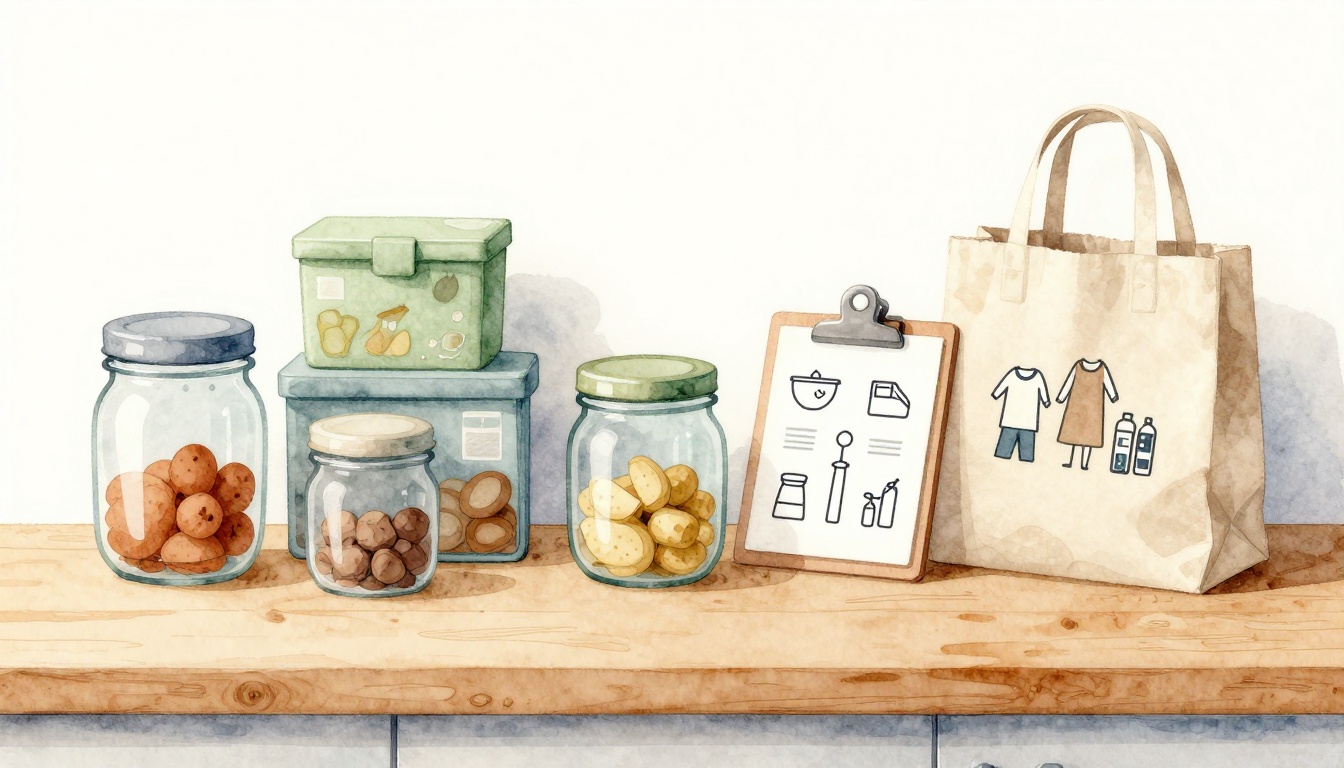
Small unplanned purchases rarely feel like a problem in the moment. Then the pantry fills with doubles, the closet gets crowded, and the trash can tells the truth.
That matters more than ever. In the US, people generate about 951 kg of municipal solid waste per person each year, and only about 30% of it gets recycled. So the best way to cut waste isn’t at the bin, it’s before you buy.
A simple purchase plan can help you save money, reduce clutter, and throw away less. It works for food, clothes, cleaning supplies, and almost every other everyday buy.
Start with a quick check of what you already own
The easiest waste to avoid is the waste you never bring home. That’s why a fast home check should happen before you make a shopping list, not after.
Most duplicate buying comes from poor visibility. You forget the extra pasta in the back of the pantry. You buy paper towels because the closet feels empty, even though a pack is already in the garage. You order another black sweater because the one you own is buried under a pile of laundry.
A five-minute scan can stop all of that. It also shifts your mindset. Instead of shopping from memory, you shop from facts.
Look in your kitchen, closet, and storage spots before you make a list
Start where waste happens most often. For many homes, that’s the fridge, freezer, pantry, bathroom cabinet, laundry area, and closet.
In the kitchen, check what’s open, what’s close to expiring, and what’s already enough for the week. A half-used jar counts. So does the frozen chicken you forgot about. A smart approach is to plan meals backward from what you already have, much like this backwards shopping strategy.
Then move to household basics. Look at soap, detergent, trash bags, batteries, and cleaning spray. These items often get bought “just in case,” which is how backups turn into clutter.
Clothing needs the same quick scan. Check what fits, what you wear often, and what fills the same role. If you already own three light jackets, a fourth one isn’t fixing a need.
Notice what gets used, what sits untouched, and what you keep buying twice
This is where patterns show up. Some people overbuy snacks because they shop hungry. Others pile up skin care, hobby supplies, or sale clothes that never become daily favorites.
Don’t judge the pattern, name it. That’s enough to start changing it.
Maybe produce spoils before you cook it. Maybe bulk paper goods crowd your hallway. Maybe you keep buying trendy kitchen tools that solve a problem you don’t really have. When you spot repeat waste, you can plan around it.
If an item often expires, sits unopened, or gets bought twice, it needs a new rule.
That rule might be simple. Buy less. Wait longer. Finish one before replacing it. Keep a photo of what you already own on your phone. According to Lifehacker’s advice on taking home inventory, even a basic record can cut duplicate shopping fast.
Make a purchase plan that fits your real life
Once you know what you have, the next step is to decide what belongs on your list. A purchase plan doesn’t mean buying as little as possible. It means buying with a reason.
That matters because vague shopping creates vague carts. You walk in for dinner ingredients and leave with candles, a giant snack box, and a storage bin you didn’t mean to buy.
A good plan stays simple. You need three things, a short list, a spending cap, and a clear purpose for each item.
Separate needs from wants before you spend
A need solves a real problem now. A want might still be fine, but it can wait.
Groceries are a good example. Milk for breakfast is a need if your household uses it each week. A seasonal dessert that looked fun in the store is a want. In clothing, replacing worn-out work shoes is a need. Buying another sweatshirt because it was marked down is usually a want.
The same rule works for electronics and home goods. A phone charger that broke belongs on the list. A new gadget because social media made it look handy probably doesn’t.
For wants, use a pause rule. Wait 24 hours for small items and at least 72 hours for bigger ones. That short gap gives impulse room to cool off. If you still want it, and you have the budget, you can buy it on purpose instead of on reflex.
Use a list, a budget limit, and a buying deadline
A list does more than organize your trip. It protects your attention. When you know what you’re buying, you spend less time reacting to shelves, signs, and “limited-time” offers.
Set a spending cap before you leave home. Even a rough number helps. It forces trade-offs, and trade-offs help you choose what matters most.
A buying deadline helps too. If winter boots can wait until next paycheck, write that down. If groceries need to cover five dinners, decide that before you shop. Meal planning and list-based shopping are widely recommended because they cut random extras. For many families, meal planning saves about $1,600 a year, which sits near the middle of recent estimates ranging from $1,000 to $2,000. This kind of meal-planning shopping list works because it connects meals, ingredients, and budget in one place.
A short list beats a perfect list. You don’t need a fancy app or color-coded system. A phone note is enough if you actually use it.
Shop smarter so good deals do not turn into waste
Stores are built to make extra purchases feel smart. A discount tag suggests a win. A bigger pack suggests value. Yet buying more than you can use is like saving money by leaving the faucet running.
The goal isn’t to avoid every sale. It’s to stop treating every sale like a reason to buy.
Treat sales, coupons, and bulk deals with caution
A discount only helps if the item was already needed and likely to be used in time. Otherwise, the lower price hides a higher cost, wasted money, storage space, and often more trash.
Food shows this clearly. A warehouse-size tub of spinach is cheaper per ounce, but not if half of it turns slimy. The same goes for backup shampoos, extra candles, or three-for-two skin care products you won’t finish for months.
Coupons can cause the same problem. They pull attention toward items you didn’t plan to buy. That’s why a sale should pass one test: “Would I buy this today at full price?” If the answer is no, skip it.
A deal is only a deal when it fits your plan.
If you do buy in bulk, think past the cart. Can you store it well? Will you use it before it expires? Resources on avoiding waste with bulk buying often make the same point, volume only saves money when it matches real use.
Choose quality, reusability, and the right amount
Sometimes the wasteful choice is the cheap one. A flimsy item that breaks fast often costs more over time because you replace it again and again.
That doesn’t mean buying the most expensive version. It means looking for the best fit. For clothes, that may be a durable fabric in a style you’ll wear often. For household goods, it may be a refillable soap dispenser instead of disposable pumps. For electronics, it may be a refurbished model rather than the newest release.
Secondhand and repair-friendly items can help a lot here. A used bookshelf, a repaired vacuum, or a refurbished laptop keeps good products in use longer and cuts demand for brand-new stuff.
Also pay attention to size. The right amount is part of quality. A huge bottle of cleaner isn’t better if it leaks, clutters a shelf, or takes years to finish. Buy the size your home can handle.
Use simple habits to waste less after you buy
Planning doesn’t stop at checkout. Plenty of waste happens after the bag hits the counter.
Things get forgotten, hidden, spoiled, or worn out too soon. So the final step is simple, make purchases easy to see, easy to use, and easy to track.
Store things well, use older items first, and keep a running list
Visibility changes behavior. When older food sits in front, you use it first. When new items get placed behind old ones, waste drops without much effort.
In the kitchen, use a first-in, first-out habit. Put older yogurt, cans, or pasta where you can grab them first. Keep produce visible, not buried in a drawer you never open. In the bathroom or laundry area, group alike items together so you can tell when supplies are actually low.
A running list also helps. Keep it on your phone and add items when they are almost out, not when they are already gone. That way, you replace with purpose instead of panic. Some people also find that a home inventory or pantry note, like the kind described in this guide to using a pantry inventory, helps them shop faster and skip extra aisles.
Review your purchases each month and fix one waste pattern at a time
A monthly reset keeps small problems from becoming habits. It doesn’t need to take long. Ten minutes is enough.
Look at one category where waste keeps showing up. Maybe it’s produce, fast fashion, duplicate cleaners, or cheap cords and chargers. Pick one pattern and change one rule next month.
If salad greens keep spoiling, buy one smaller bag instead of two. If trendy clothes sit unworn, stop shopping sales for 30 days. If gadgets pile up, add a waiting period before online purchases.
Small fixes work because they stick. You don’t need a perfect no-waste system. You need a few rules that fit your life and keep getting used.
Better purchase planning starts before the store and continues after you get home. Check what you own, decide what you truly need, shop with a plan, and review what gets wasted.
You don’t have to do this perfectly. Even one small habit, like checking the pantry first or waiting a day before a nonessential buy, can save money and cut trash over time.
Start with the category that frustrates you most. When you fix that one, the rest gets easier.