Opening your first bank account feels small, but it changes how money moves in your life. It gives you a safe place to keep cash, get paid, pay bills, and stop treating your wallet like a mini filing cabinet.
The tricky part is picking the right one. Your best option depends on how you spend, how old you are, and which fees or features matter most. Once you know the basics, the choice gets much easier.
Choose the right kind of bank account for how you use money
Most first-time account holders start with one question: should you open checking, savings, or both? Think of checking as your front pocket. It’s for money that comes in and goes out often. Savings is the drawer you don’t open as much. It holds money you want to keep for later.
Many beginners do well with both. A checking account handles daily life. A savings account helps you keep some money out of reach so you don’t spend it by accident. Some banks also offer student or teen accounts, which can come with lower fees or easier balance rules. If you want a deeper side-by-side breakdown, this guide to checking vs. savings account differences is a helpful starting point.
When a checking account makes the most sense for beginners
A checking account is usually the first stop because it works for everyday money. You can use a debit card, set up direct deposit, pay bills online, send money to friends, and pull cash from an ATM.
If you have a job, this matters fast. Many employers prefer direct deposit. That means your paycheck lands in your account without paper checks or extra steps. Also, most checking accounts connect easily to payment apps and autopay, so you can cover rent, phone service, or a streaming bill on time.
For a beginner, convenience matters more than fancy perks. Look for a checking account with a good app, a wide ATM network, and no monthly fee if possible.
Why a savings account can help you build good habits early
Savings accounts are less about spending and more about distance. That distance helps. When your emergency money sits apart from your debit card balance, you’re less likely to burn through it on lunch runs and impulse buys.
Even a small emergency fund helps. A flat tire, textbook fee, or doctor visit feels less scary when you already have a cushion. Better yet, savings accounts earn interest. As of March 2026, top high-yield savings accounts are still offering up to about 5.00% APY, while many traditional savings accounts pay far less. That gap is hard to ignore.
A savings account won’t make you rich overnight. Still, it can turn good habits into visible progress. Start with automatic transfers, even $10 or $25 at a time, and let time do some of the work.
Know what you need before you apply
Opening an account is easier when you gather everything first. In the US, banks must verify your identity, so missing paperwork can slow things down or stop the application.
Adults 18 and older can usually open an account online or in a branch. Minors often need a parent or guardian. Non-residents and people new to the US may face extra steps, and branch rules can vary.
The documents most banks ask for at account opening
Most banks ask for the same core items:
- Government-issued photo ID, such as a driver’s license, state ID, or passport
- SSN or ITIN, depending on your status and the bank’s rules
- Proof of address, such as a utility bill, lease, bank statement, or pay stub
- Opening deposit, often $25 to $100, though some accounts start at $0
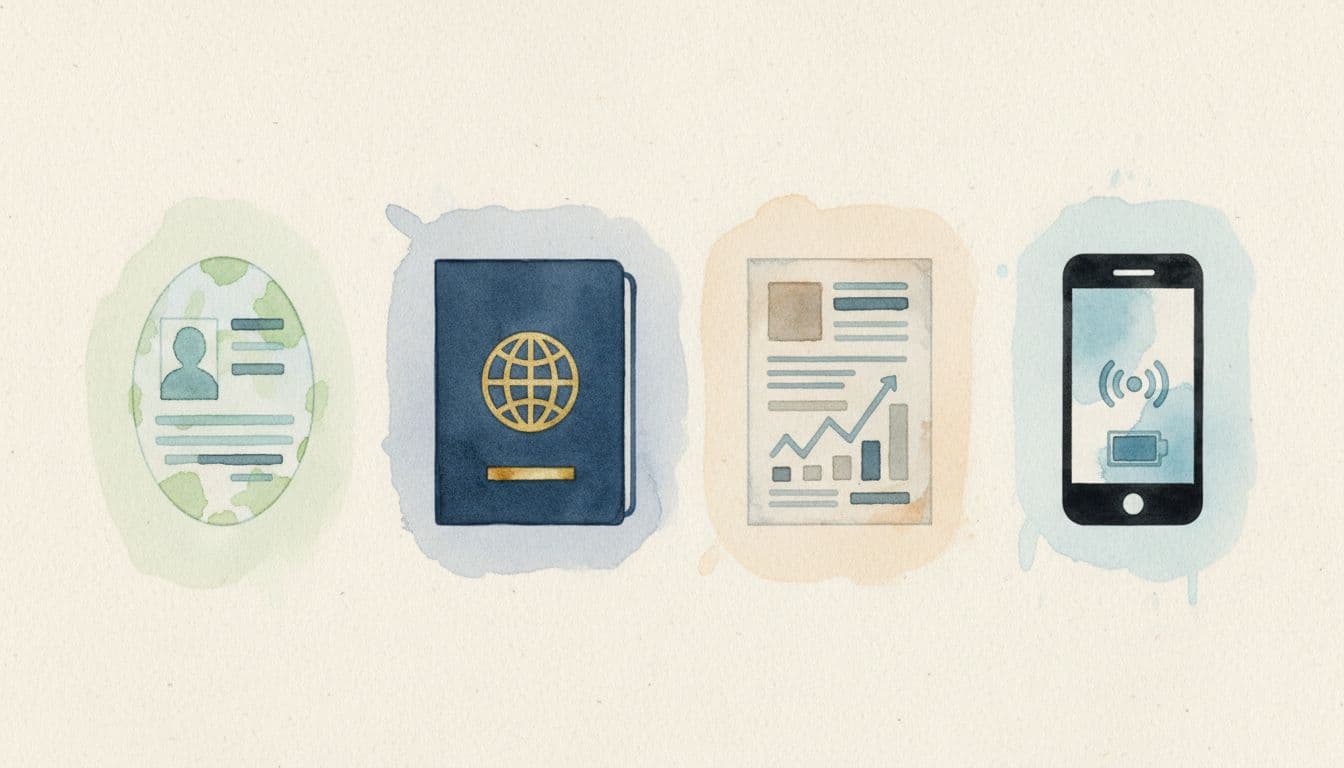
Some banks ask for more. That’s common for minors, non-residents, and anyone opening a joint account. If you’re unsure, call the branch first. A quick check can save a wasted trip.
What changes if you are under 18 or new to the US
If you’re under 18, most banks want a parent or guardian on the account. In many cases, both of you need to show up in person, especially for teen accounts. The adult usually brings their photo ID, SSN, and the minor’s personal details. Later, once you turn 18, you may be able to move the account into your name alone.
If you’re new to the US, rules can get more strict. Some banks accept an ITIN instead of an SSN. Others may want immigration papers, a passport, and proof of a US address. Because branch policies differ, it helps to review a bank’s non-resident account guidance before you apply.
If your situation is less common, call ahead. Banking rules can change by bank, state, and even branch.
Compare fees, features, and bank types before you pick one
Not all first bank accounts are built the same. One might look free until you use the wrong ATM. Another might pay solid interest but offer no branch help. So before you choose, compare what you’ll use every week, not just what sounds nice on a promo page.
Also, check whether the institution is insured. Banks should be FDIC-insured, and credit unions should be NCUA-insured.
The most common bank fees and easy ways to avoid them
The fee people notice first is the monthly maintenance fee. Some banks waive it if you keep a minimum balance or set up direct deposit. Others charge it no matter what, so read the account terms carefully.
Then there’s overdraft. This happens when you spend more than you have. Some banks still charge steep overdraft fees. ATM fees can pile up too, especially if you use out-of-network machines. Wire transfer fees matter less for beginners, but they can sting if you need to send money fast.
The easiest fix is to keep things boring. Choose a no-fee account when you can. Use in-network ATMs. Turn off overdraft if you don’t want debit purchases to go through when your balance is low. For a current look at rising charges, CNBC’s report on how to avoid bank fees in 2026 shows why small rules matter.
If you don’t understand overdraft yet, turn it off before you use the account.
Should you choose a big bank, credit union, or online bank
Start with this quick comparison:
| Bank type | Best for | Main tradeoff |
|---|---|---|
| Big bank | Branch help, cash deposits, wide name recognition | Fees may be higher |
| Credit union | Lower fees, local service | Fewer branches outside the area |
| Online bank | Better savings rates, low fees, strong apps | No in-person service |
| Neobank | Simple mobile tools, fast setup | Limited cash options, may not fit every need |
Here’s the simple takeaway: pick the type that matches your life, not someone else’s. If you want face-to-face help, big banks like Chase, Bank of America, U.S. Bank, and Citi may feel easier. If low fees matter most, credit unions and online banks often look better. Ally and SoFi are popular with beginners who want easy apps and better savings yields. Chime is often chosen for simple checking and low fees. Wise can be useful for moving money across countries, but it isn’t a full replacement for a traditional bank for everyone.
If you’re comparing online-first options, Bankrate’s list of the best online banks of March 2026 gives a solid snapshot of what’s available now.
Open your account safely and avoid mistakes that cost money
Once you’ve picked an account, the rest should feel simple. The goal is to open it, fund it, and set it up so it works for real life from day one.
The basic steps to open a bank account without stress
Most people can open a first account in under an hour if they prepare. This order keeps it simple:
- Compare two or three accounts based on fees, ATM access, branch needs, and app quality.
- Gather your documents before you start the application.
- Apply online or in person, depending on the bank and your situation.
- Make the opening deposit if the account requires one.
- Set up direct deposit, your debit card, and bill pay so the account is ready to use.
Online account opening is common in 2026, and for many people it’s the fastest path. Still, in-person help can make your first account less confusing, especially if you’re under 18 or new to the country.
Smart safety settings to turn on right away
A bank account is only useful if you protect it. Start with a strong password and a PIN that isn’t tied to your birthday or address. Turn on two-factor authentication. Then set up text or app alerts for purchases, low balances, and logins.
Debit card controls help too. Many banks now let you freeze a card in the app, block certain transaction types, or get instant alerts when the card is used. Avoid public Wi-Fi for banking, and check your account often, even if you think nothing’s wrong.
Banks use stronger fraud checks now, but you still play the biggest part. A quick glance at your account each week can catch problems before they grow.
Opening your first bank account isn’t about picking the fanciest brand. It’s about finding a place for your money that fits how you spend, save, and get paid.
Compare fees, confirm the rules before you apply, and set up a few smart habits right away. Once your account starts working for you, money feels less chaotic and a lot more manageable.