Most people know they should manage money better. The hard part is knowing where to start without turning life into a spreadsheet.
A personal financial plan doesn’t need to be fancy. It only needs to help you see your money clearly, make a few smart choices, and repeat them month after month.
If your budget feels messy, your savings feels thin, or debt keeps stealing your progress, this simple step-by-step approach will help you build a plan you can stick with.
Start with a clear picture of where your money stands today
A financial plan starts with facts, not guesses. Before you set goals or trim spending, you need to know what comes in, what goes out, and what’s left.
That matters even more in 2026. US inflation was 2.4% in February, but some everyday costs are still rising faster, including food and shelter. When prices creep up, small leaks in your budget get bigger.
List your income, monthly bills, and everyday spending
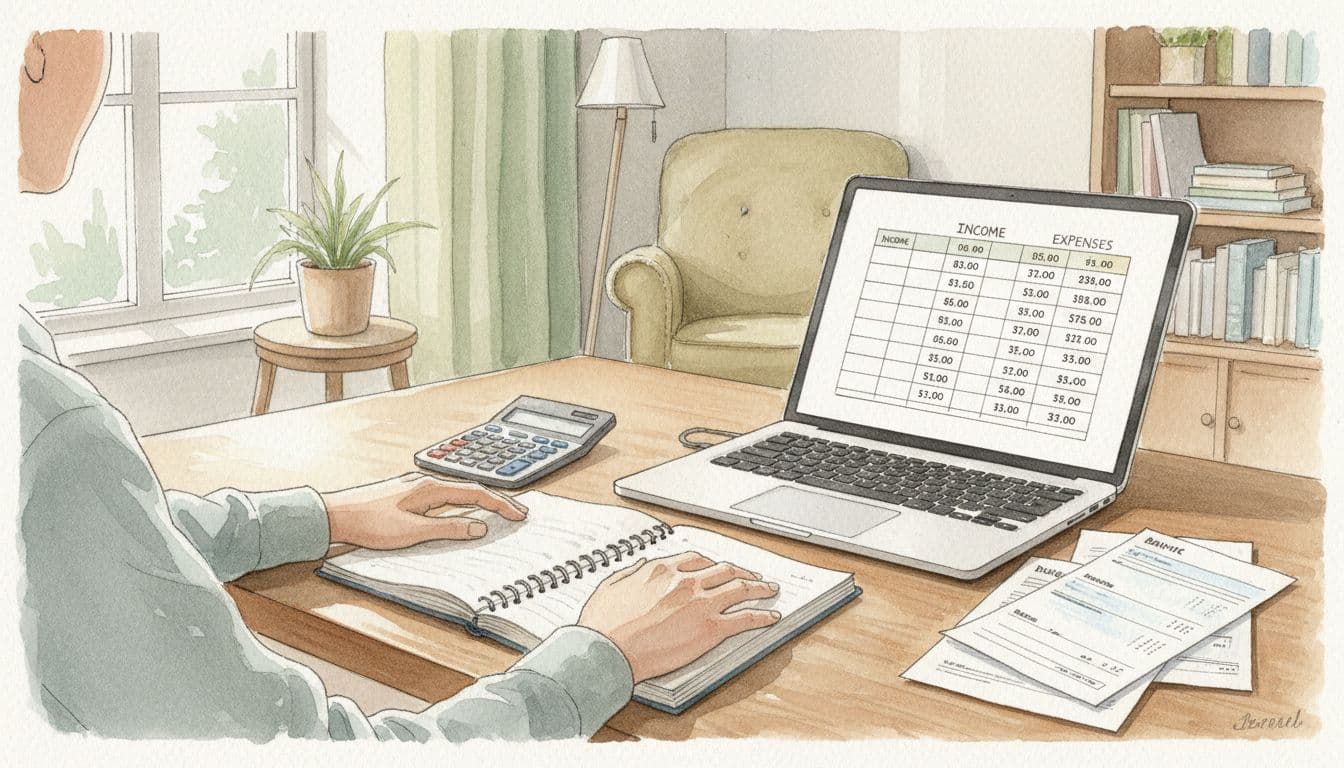
Start with your monthly income after taxes. Include your main paycheck, side work, freelance income, child support, or any steady cash coming in.
Next, list fixed bills. These are the costs that usually stay the same, like rent or mortgage, insurance, internet, phone, and minimum debt payments.
Then look at variable spending. That includes groceries, gas, eating out, pet care, gifts, and household items. Also check the smaller stuff, coffee runs, app purchases, delivery fees, and subscriptions. Those often slip through the cracks.
Use the last two or three months of bank and card statements if you can. Better yet, scan the past year for seasonal costs like travel, holidays, school supplies, and car repairs. A budget based only on one quiet month can fool you.
Add up what you own and what you owe to find your net worth
Now measure your starting line. Your assets are what you own, such as checking and savings balances, retirement accounts, cash, and maybe a car or home. Your debts are what you owe, like credit cards, student loans, auto loans, and your mortgage.
Subtract debt from assets. That’s your net worth.
Don’t judge the number. A low number doesn’t mean you’ve failed. A negative number doesn’t mean you’re bad with money. It only means you have a place to begin. If you want a plain-language walkthrough, Schwab Moneywise explains personal net worth in a simple way.
Your first money snapshot is not a grade. It’s a map.
Set a few money goals that are specific and easy to follow
Once you know your numbers, choose a small set of goals. This is where many people lose steam. They try to fix debt, save for retirement, build an emergency fund, and cut spending all at once. That’s like trying to carry every grocery bag in one trip. Something drops.
Pick two or three goals, not ten. Keep one focused on the near term and one aimed at the future. That balance helps you feel progress now without ignoring later.
Choose one short-term goal and one long-term goal
A short-term goal handles pressure that’s already close. That could be saving your first $1,000 emergency fund, paying off one credit card, or catching up on a past-due bill.
A long-term goal builds stability. Think retirement savings, a home down payment, or paying off student loans over time.
Try goals like these:
- Short term: Save $1,000 in four months
- Short term: Pay off a $1,200 credit card balance
- Long term: Contribute 10% of income to retirement
- Long term: Save $12,000 for a home down payment
Simple beats ambitious if simple gets done.
Turn big goals into monthly numbers you can actually hit
A goal without a monthly target is easy to postpone. Break each goal into a number you can act on.
If you want $1,200 saved in six months, save $200 a month. If you want to knock out a card balance in a year, divide the balance by 12 and add the monthly interest. Suddenly the goal feels less like fog and more like a path.
Keep your targets realistic. If your budget only has $150 of room, don’t set a $400 goal and hope discipline will save you. Hope is not a money plan.
Build a simple budget that gives every dollar a job
A budget is not punishment. It’s a plan for what your money should do before it disappears on its own.
That’s why the best budget is the one you’ll keep using. Some people like broad categories. Others want every dollar assigned. If your income changes from month to month, you may need a more flexible version.
Pick a budgeting method that matches your lifestyle
Here are three beginner-friendly options:
| Method | How it works | Best for |
|---|---|---|
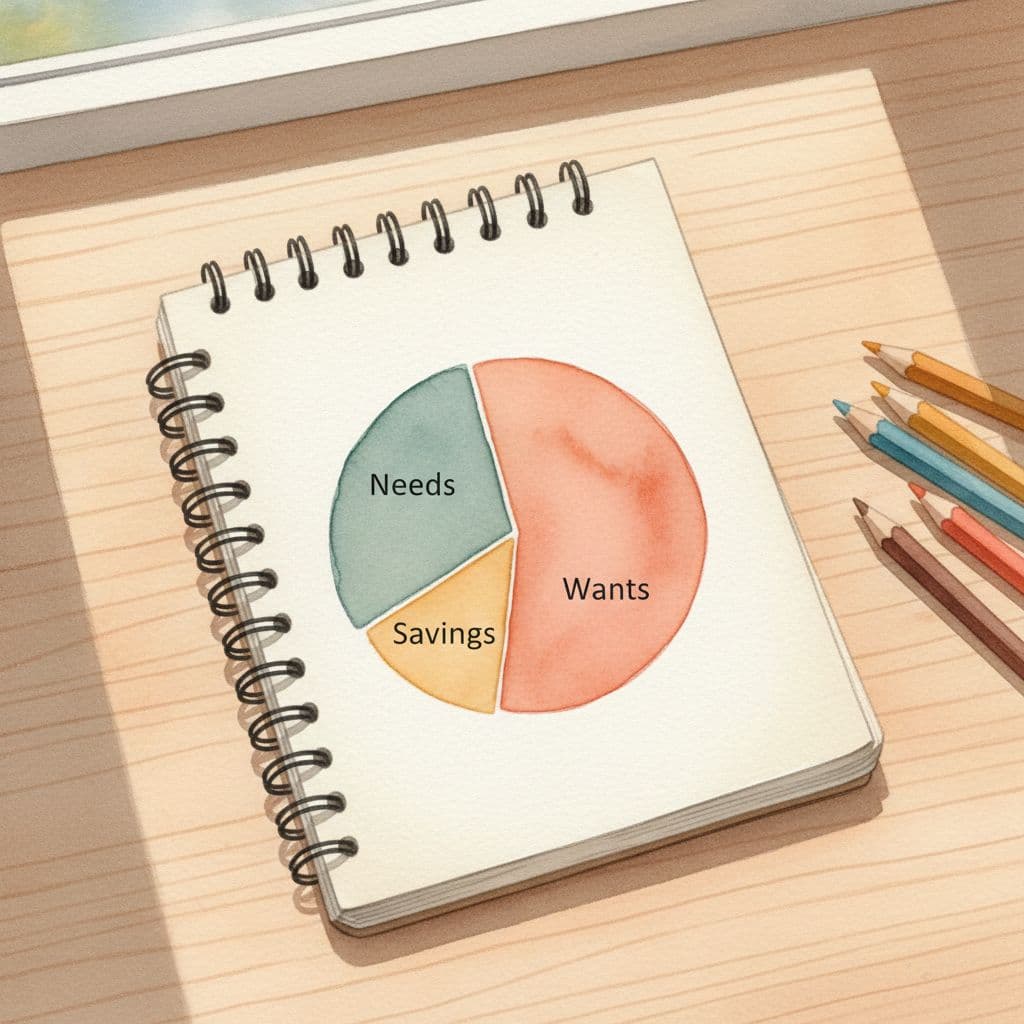
| 50/30/20 | 50% needs, 30% wants, 20% savings or debt | People who want a simple overview |
| Zero-based budgeting | Assign every dollar to a category | People who want tighter control |
| Pay yourself first | Save first, spend the rest on bills and life | People who struggle to save consistently |
If you want a quick breakdown, this 50/30/20 budgeting guide shows how the rule works in plain terms.
The takeaway is simple: pick one method and try it for a month. You can always adjust later. Perfection is not the goal. Clarity is.
Make your budget easier with automation and basic tracking tools
You don’t need a complex app to stay on track. A bank app, notes app, or simple spreadsheet can do the job.
Still, automation helps. Set bills to auto-pay if your cash flow is steady. Schedule a transfer to savings on payday. Move debt payments earlier in the month so you don’t spend that money first.
Some newer tools can sort spending and spot patterns for you. That’s helpful, but optional. A pen and notebook still work. If you want ideas, NerdWallet’s list of budget apps for 2026 compares tools by style and cost.
Protect your plan with emergency savings, debt payoff, and basic investing
Once your budget is working, build the safety rails around it. This is where your plan becomes more than a spending tracker. It becomes protection.
Life doesn’t wait for a better month. Tires blow out, hours get cut, and medical bills show up at the wrong time. Without a cushion, one setback can undo weeks of progress.
Build an emergency fund before life gets expensive
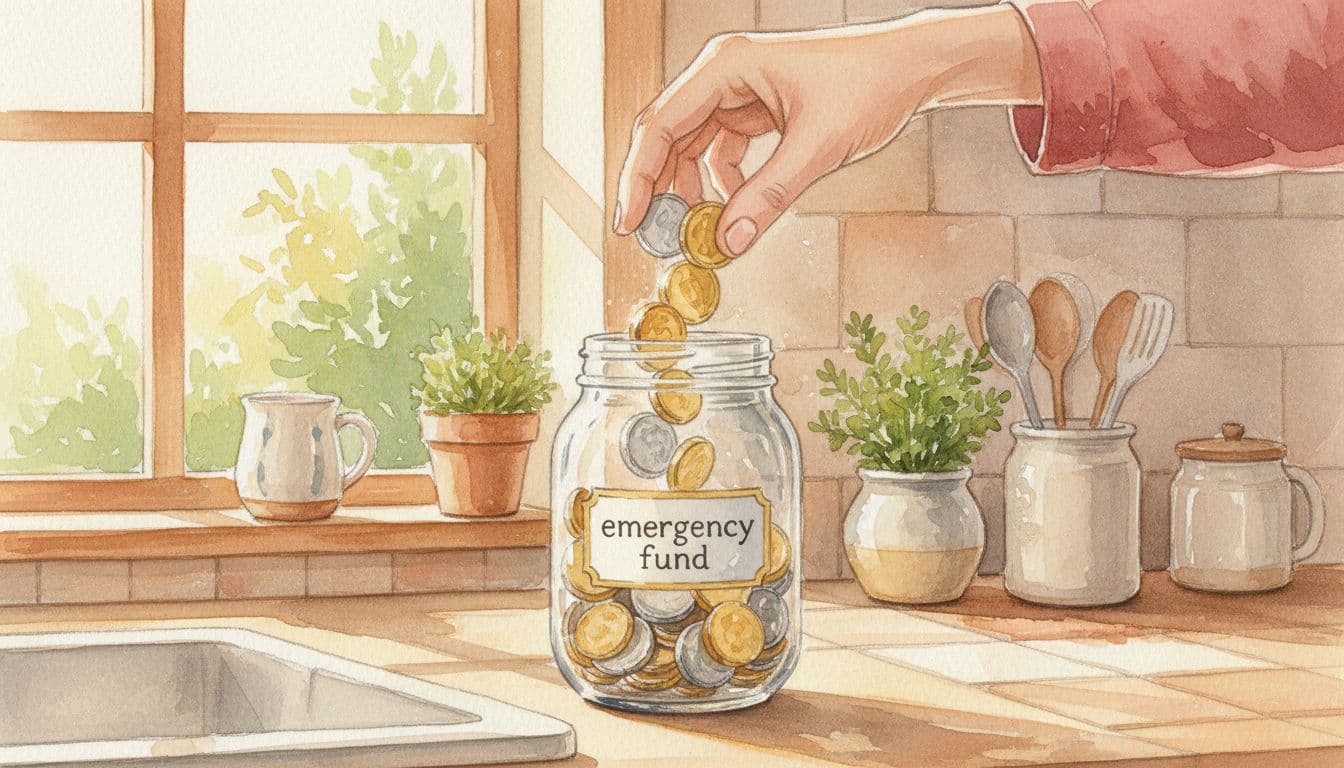
A common target is three to six months of essential expenses. That means rent, utilities, groceries, insurance, transportation, and minimum debt payments. If your job is less stable or you’re self-employed, you may want more.
But don’t let the full number scare you. Your first win is smaller. Save $500. Then get to $1,000. Then build one month of core expenses.
Keep this money in a savings account, not in the stock market. Emergency money should be easy to reach and hard to lose.
Pay off high-interest debt without losing momentum
If you’re carrying credit card debt, make that a top priority. The average US credit card APR is 23.72% in March 2026. At that rate, debt grows like weeds after rain.
Keep making minimum payments on all debts. Then put extra money toward one target at a time.
You have two common options. The snowball method attacks the smallest balance first for quick wins. The avalanche method attacks the highest interest rate first to save more money. This comparison of debt snowball vs. avalanche can help you choose the one that fits your style.
If you need motivation, pick snowball. If you care most about math, pick avalanche. Both work when you keep going.
Start investing in a simple way when your basics are covered
After you’ve built a small emergency fund and you’re controlling high-interest debt, start investing for the long term. Keep it simple.
If your employer offers a retirement plan, begin there. If not, look into an IRA. Set up automatic contributions, even if you start small. Fifty dollars a month beats waiting for the “right” time.
You also don’t need to chase hot stocks. Broad, low-fee funds are a solid starting point for beginners. This list of low-cost index funds and ETFs is useful if you want to compare basic options.
Review your financial plan each month and adjust as life changes
A personal financial plan is not something you make once and forget. It’s more like a garden than a statue. It grows when you check on it, trim it, and fix problems early.
That’s especially true when costs shift. Even with inflation cooling overall, food and housing can still stretch your budget. A plan that worked six months ago may need a small tune-up now.
Use a 15-minute monthly check-in to stay on track
Set one day each month to review your money. Keep it short so you’ll do it again.
Look at five things: spending, savings balance, debt progress, upcoming bills, and goal progress. Check whether you stayed close to your budget. See if any category jumped. Confirm your auto-payments and transfers still make sense.
This quick review keeps surprises small. It also helps you spot progress that daily life tends to hide.
Change the plan when your income, bills, or priorities change
Your plan should bend when life bends. A raise, job loss, move, new baby, medical cost, or higher rent are all normal reasons to update it.
When income goes up, don’t send every extra dollar into lifestyle creep. Give part of it a job, boost savings, add to debt payoff, or raise retirement contributions. When income drops, cut wants first and protect the basics.
A good financial plan isn’t rigid. It’s steady, simple, and flexible enough to handle real life.
A strong personal financial plan doesn’t need to impress anyone. It only needs to help you know your numbers, set clear goals, follow a simple budget, build savings, cut debt, and invest a little over time.
Start with one small step today. Open your bank statements, write down your monthly numbers, and give your money a direction before it decides for you.