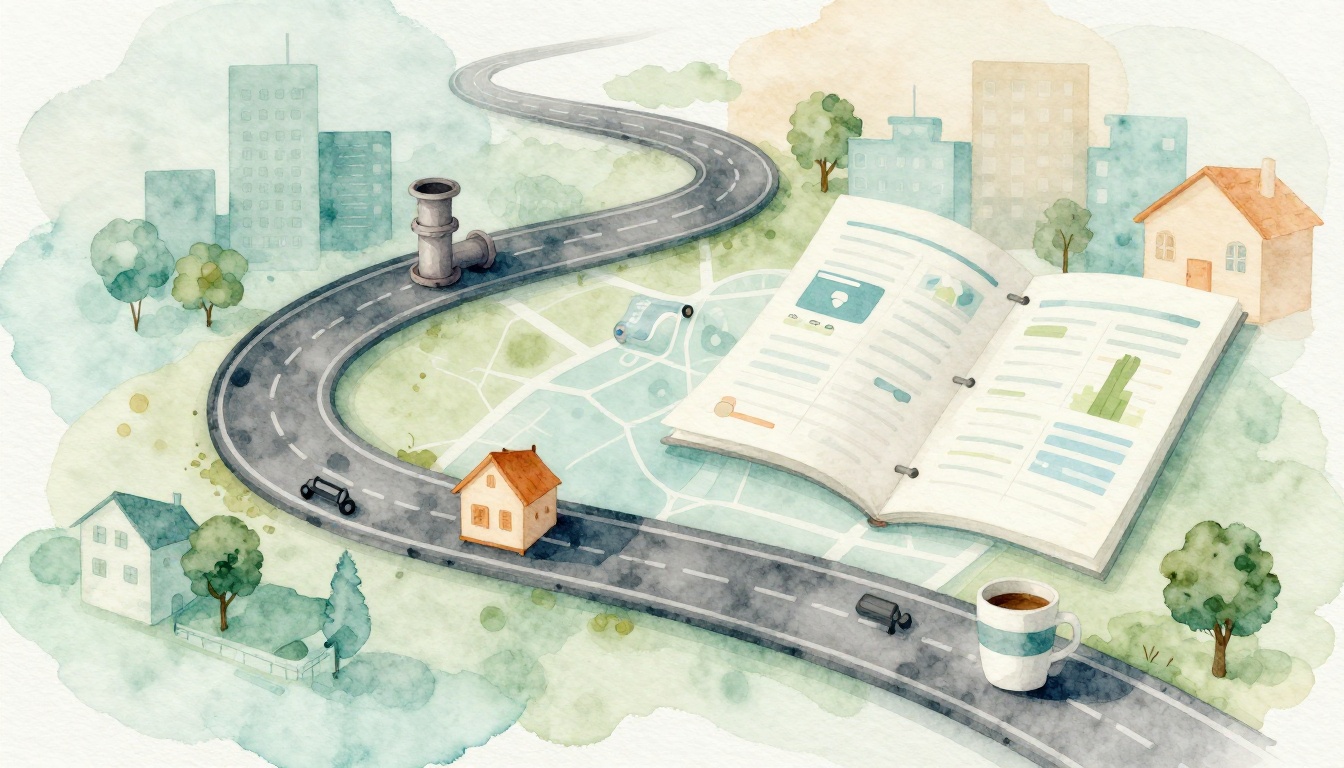
Most people don’t quit a budget because they’re lazy. They quit because the plan breaks the first time real life shows up.
That pattern is common. Recent US survey data shows that 81% of people who made financial goals in 2025 did not stick to them. Rising costs, surprise bills, and stress were some of the biggest reasons.
The good news is simple: you don’t need a perfect budget. You need one that fits your life, bends when it has to, and still keeps you moving forward.
The real reasons most budgets fall apart
Budget failure usually isn’t a math problem. More often, it’s a planning problem.
A budget can look great on paper and still fail by week two. Why? Because many budgets are built for an ideal month, not a real one. They assume stable costs, steady willpower, and zero surprises. Almost no one lives that way.
A budget should act like a map, not a trap.
You forget expenses that do not show up every month
Monthly bills are easy to spot. Rent, phone, and utilities show up like clockwork. The trouble starts with costs that drift in and out, then hit hard.
Think about holiday gifts, car repairs, annual subscriptions, school fees, vet visits, or insurance renewals. These are not random. They are irregular, but expected. When you ignore them, your monthly budget looks stronger than it is.
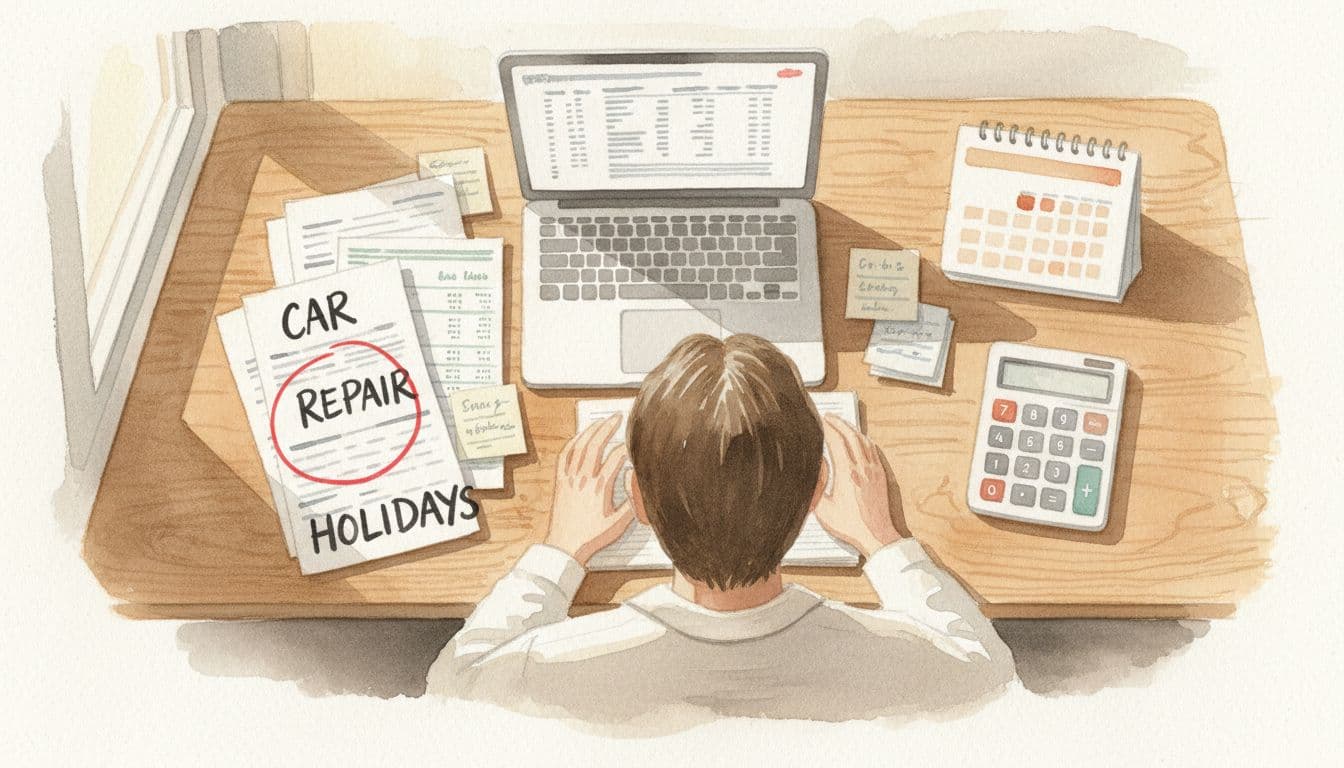
Many people treat these costs like emergencies. That one mistake can wreck a whole month. You cover the bill with a credit card, tell yourself you’ll catch up later, and then next month starts behind.
A stronger budget includes these bills before they arrive. That one shift changes everything.
Your spending limits are based on hope, not real numbers
It’s easy to say you’ll spend $400 on groceries. It’s harder when your real average is $650.
This is where budgets often fall apart. People guess at categories like food, gas, eating out, kids’ activities, and household basics. Those guesses are often too low, especially in 2026, when groceries and other essentials still cost much more than they did a few years ago.
Instead, pull up the last one or two months of bank and card statements. Look for patterns, not perfection. If you spent $180 on takeout both months, don’t budget $40 and hope discipline fixes it. Start with the truth. Then lower it slowly if you want to.
Your budget is too strict to last
An all-or-nothing budget feels strong at first. Then it starts to feel like a punishment.
If every dollar is locked down and there’s no room for coffee, takeout, hobbies, or a small treat, burnout comes fast. Once you feel deprived, a single slip can turn into, “Forget it, I’ll start over next month.”
A realistic budget leaves a little breathing room. Even a small amount of guilt-free spending can keep the whole plan alive. That’s not weakness. That’s smart design.
How to fix a budget that is already failing
You don’t need to scrap everything and build a new life by Monday. A budget reset can be small and still work.
Start with a simple reset, not a total overhaul
Begin with what already happened. Review the last month or two of spending, then strip your budget down to the basics.
Keep it simple:
- List your fixed bills, debt minimums, and savings goals.
- Add your real average spending for groceries, gas, and daily life.
- Leave a small buffer for fun or surprise costs.
That first draft doesn’t need to be pretty. It needs to be usable. If you’re under stress, a lean budget works better than a fancy one with twenty categories.
Progress matters more than perfection. A budget is a living plan, not a one-time test.
Add sinking funds for the costs that always come back
A sinking fund is money you set aside little by little for a future bill. That’s it.
If car insurance costs $1,200 a year, save $100 a month. If you usually spend $600 on holiday gifts, set aside $50 a month. Those smaller deposits turn a painful bill into a routine expense. If you want a plain-language breakdown, this simple sinking fund guide gives a few useful examples.
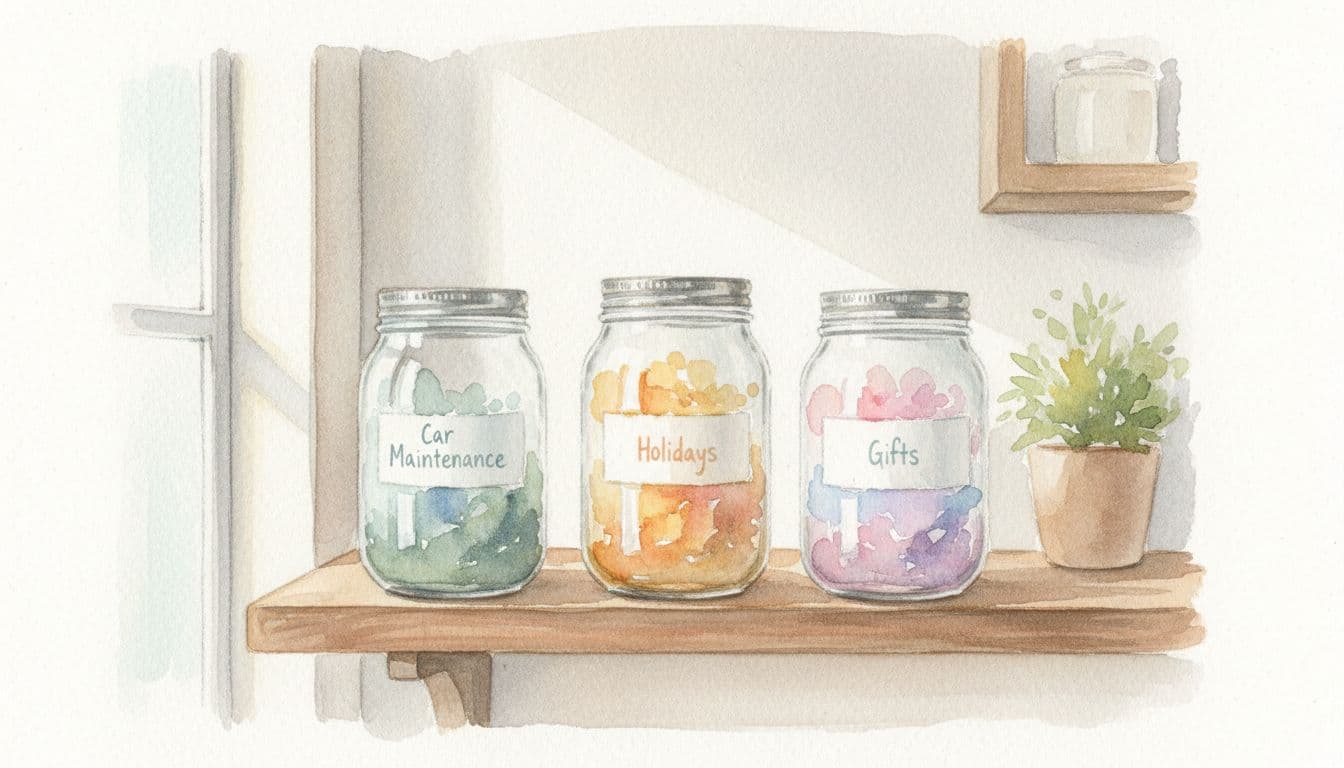
Sinking funds work because they smooth out the year. Instead of getting blindsided in December or when your tires wear out, you’ve already started paying for it.
This is one of the fastest fixes for a failing budget because it closes a major gap.
Track your spending often enough to catch problems early
A budget isn’t useful if you only look at it after the money is gone.
Check your spending often enough to spot drift early. For some people, that means a 30-second look each day. For others, a weekly review is enough. The point is not constant stress. The point is visibility.

If dining out is already high by the second week, you can adjust before the month is lost. If gas spending jumps, you can pull back elsewhere. Tracking keeps the budget honest.
In other words, the budget sets the plan, but tracking keeps it alive.
What a realistic budget looks like in 2026
Money pressure is still real in 2026. Essentials cost more, and many households have little room for error.
Make room for essentials first, then protect the rest on purpose
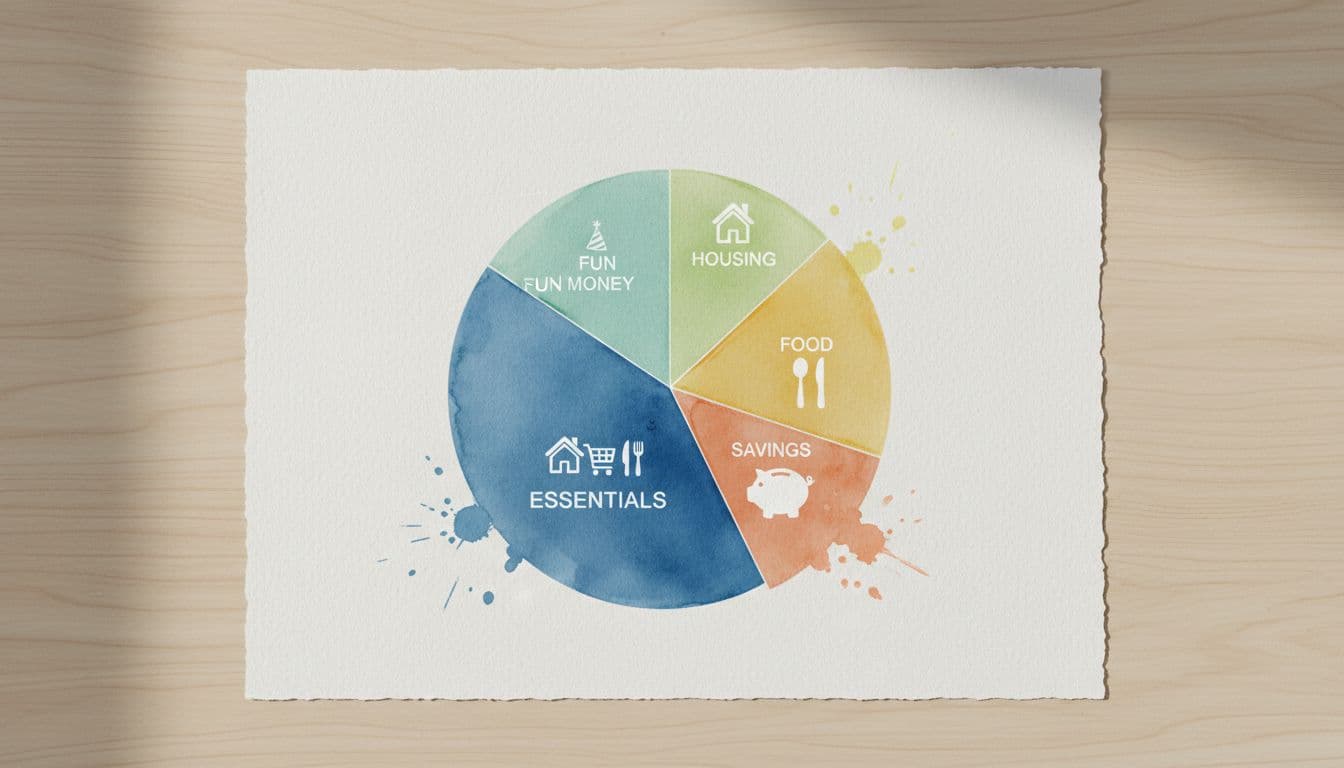
Housing, food, transportation, utilities, and minimum debt payments come first. Those are the bills that keep life running. Recent spending data suggests households often spend around 75% on necessities, which leaves a much smaller share for savings, extra debt payoff, and flexible spending.
This simple breakdown can help:
| Priority | What goes here | Why it matters |
|---|---|---|
| Essentials | Housing, food, utilities, transportation | Covers daily life |
| Minimum obligations | Debt minimums, insurance, required payments | Prevents fees and lapses |
| Goals | Savings, extra debt payoff | Builds stability |
| Flex money | Eating out, fun, small treats | Makes the budget easier to keep |
The takeaway is clear. Protect your basics first, then decide where the rest goes on purpose, instead of wondering where it went later.
Watch for lifestyle creep when your income goes up
Lifestyle creep means your spending rises each time your income does. You get a raise, then your car payment, subscriptions, clothes, and dining budget quietly rise with it.
That doesn’t feel reckless in the moment. Still, it can swallow progress fast. Before a raise, bonus, or side-hustle payout arrives, decide where that money will go. Part can improve your life. Part should strengthen your finances. This guide on how to spot lifestyle creep explains the pattern well.
A simple rule helps: pre-assign new income before you touch it.
Use tools that make budgeting easier, not more complicated
The best budgeting system is the one you’ll still use next month.
In 2026, look for tools that do a few things well: automatic transaction tracking, bill reminders, category views, and weekly summaries. You don’t need complex charts or a system that feels like homework. If you want ideas, this roundup of budgeting app options shows the kinds of features worth looking for.
Paper works for some people. A notes app works for others. An app helps if it saves time. Choose the tool that lowers friction, because simple systems get used.
Small habits that help your budget stick for the long run
A budget lasts longer when daily habits support it. That’s where consistency beats motivation.
Build a small emergency fund so one surprise does not ruin everything
Even a starter emergency fund can calm your whole budget. Think $500 to $1,000 at first, not six months of expenses.
That amount can cover a flat tire, a co-pay, or a last-minute bill without forcing you into debt. Right now, many Americans are exposed. Recent 2026 data shows that 43% to 53% of US adults can’t cover a $1,000 emergency from savings. Bankrate’s 2026 emergency savings report highlights how common that problem is.
When every surprise becomes a crisis, no budget feels stable. A small cash cushion changes that.
Review your budget every month and adjust without guilt
Budgets should change. Heating bills rise in winter. Summer may bring travel, child care shifts, or more gas spending. Income can move too.
Adjusting your budget isn’t failure. It’s maintenance. When you update categories to fit real life, you’re doing the exact thing that keeps the plan working.
Set one date each month to review spending, upcoming bills, and any changes ahead. That habit can do more than a perfect spreadsheet ever will.
Budgets usually fail because they’re too rigid, too hopeful, or too ignored. The fix is rarely dramatic. Plan for irregular costs, use real spending data, track often, and leave room for life.
You don’t need a flawless budget to make progress. You need a repeatable one.
Start with one reset this week, then keep going. A budget that bends will last longer than one that breaks.